Many of us have felt it: the frustration of a healthcare system that can feel impersonal and reactive. You wait for an appointment, spend a few minutes with a doctor, and often leave with a prescription designed to manage a symptom rather than a plan to address the root cause. It can feel like you’re just another number in a system that’s more focused on treating disease than building genuine, resilient health.
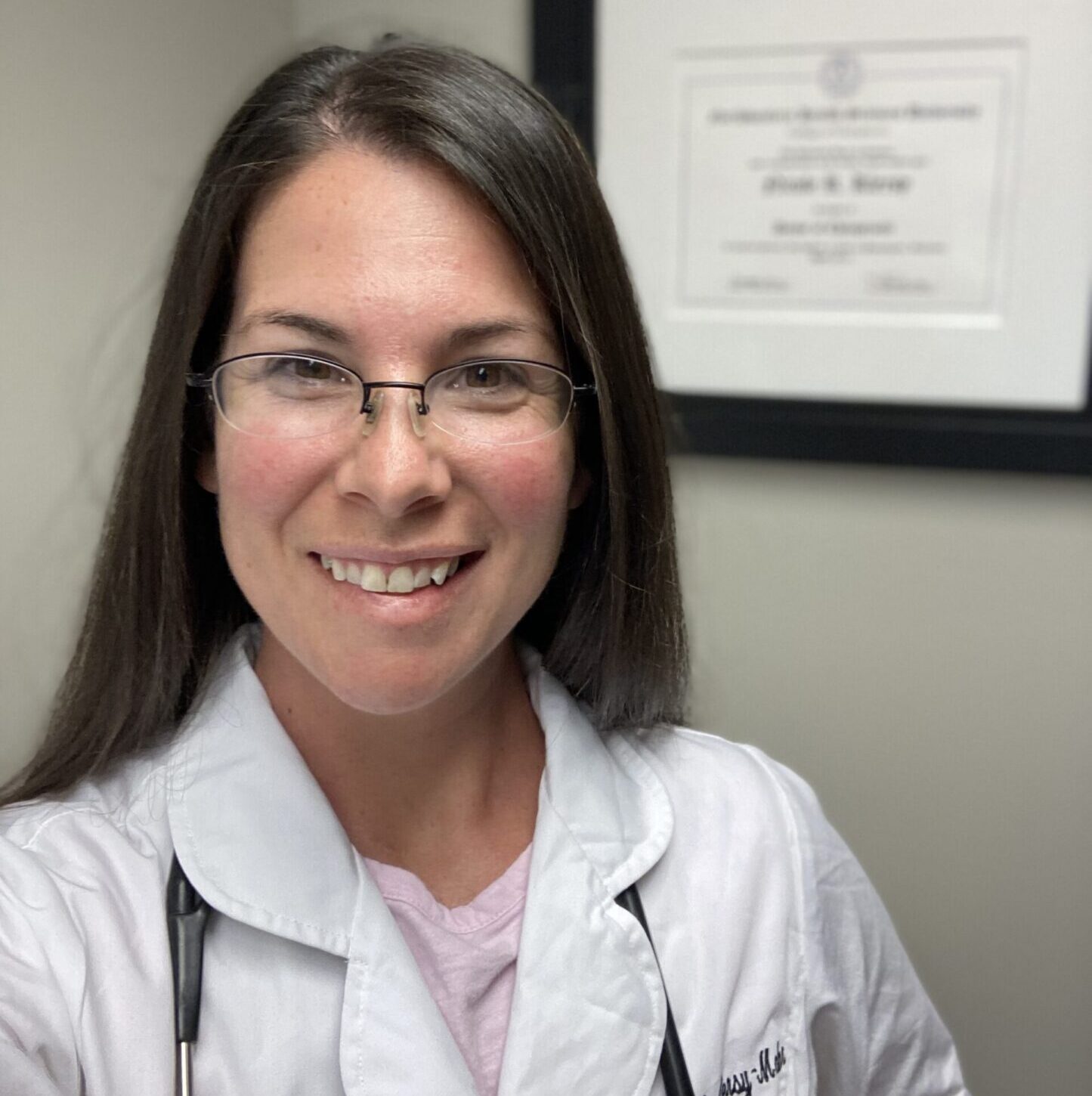
But what if your primary care came from a clinic focused on finding that root cause? We looked at the model used by Dr. Nicole Klersy-Mohr—a Chiropractic Physician, Functional Medicine Practitioner, and board-eligible chiropractic neurologist at Perfect Touch Massage & Chiropractic—to uncover four surprising truths about this new approach to health. Her model is personalized, proactive, and dedicated to restoring the body’s natural function without an immediate jump to medications or surgery.
This shift in thinking introduces some powerful—and surprising—ideas about what healthcare can be. Here are four of the most impactful concepts from this modern approach that could change how you think about your health forever.
1. Your Chiropractor Can Be Your Primary Care Physician
When you think of a chiropractor, you probably think of adjustments for back and neck pain. While that is a key part of their work, the scope of a chiropractic physician can be significantly broader. In fact, in the USA, chiropractic medicine is the third-largest primary healthcare profession, outnumbered only by medical doctors and dentists.
In this primary care capacity, a licensed chiropractic physician can serve as your first point of contact for your health needs. Their scope of practice can include diagnosing conditions, treating patients, ordering and drawing labs, requesting imaging like X-rays or MRIs, and managing your overall care. It is important to note, however, that each state is slightly different on scope and you should check with your state to see about your options.
This is the foundation of the primary care model at Dr. Klersy-Mohr’s clinic, allowing her to serve as the first point of contact for patients seeking non-surgical solutions. It’s a game-changer because it gives you a primary care option with a physician whose training is fundamentally focused on restoring health by addressing the cause of your issues, not just the symptoms.
2. Your DNA Can Create Your Perfect Diet
We’re constantly bombarded with conflicting advice about the “best” diet—low-carb, low-fat, plant-based, paleo. The truth is, the best diet is not one-size-fits-all; it’s the one that works for your unique body. At innovative clinics like Perfect Touch, the field of “Genetic Specific Nutrition” makes this possible.
This advanced approach uses a “Nutrigenomic Panel” to analyze over 150 of your genes. This analysis reveals precisely how your body is built to process different foods, nutrients, and compounds, taking the guesswork out of eating well. That genetic information is then used to build “Genetic Specific Meal Plans” tailored to your DNA. At Dr. Klersy-Mohr’s clinic, this service is integrated into higher-tier memberships, demonstrating a commitment to deeply personalized care. Instead of following a generic trend, you get a nutritional roadmap created specifically for your biological makeup.
3. The Future of Preventative Care is a Membership
Traditional healthcare operates on a reactive, “pay as you go” model: you get sick, you make an appointment, you pay for the visit. This system inherently focuses on treating problems after they arise. Dr. Klersy-Mohr’s clinic flips this model on its head with a private membership.
Instead of paying for individual appointments when you’re unwell, this structure creates a continuous partnership focused on keeping you healthy. The memberships offered at Perfect Touch include comprehensive services designed for prevention and optimization, such as:
- Comprehensive annual lab panels that check over 67 different markers to get a deep understanding of your health.
- DEXA scans to monitor body composition and bone density.
- Unlimited secure messaging with your physician for ongoing support and questions.
- Included bodywork, like chiropractic adjustments or medical massage, as part of your wellness plan.
This shift is crucial because it reframes healthcare from a reactive service to a proactive investment. Your physician becomes a long-term partner dedicated to preserving your health, not just an emergency contact for when it fails.
4. The First Goal is Health, Not Medication
Perhaps the most profound shift is in the fundamental goal of care. In a functional, restorative approach, the primary objective is to find and fix the root cause of a health issue, empowering the body to heal itself. The first instinct isn’t to reach for a prescription pad.
This philosophy is the core mission of practitioners like Dr. Nicole Klersy-Mohr, who states:
The passion lies in serving and educating her patients. She excels in empowering her patients to achieve better health, alleviating their pain, and helping them return to an active life—all without relying on drugs or surgery.
For a patient, this is a powerful difference. It means having a doctor whose first question is “Why is this happening and how can we restore function?” rather than “What pill can I prescribe for this symptom?” It’s a commitment to building true health from the inside out.
A New Definition of Health
These four ideas—a chiropractor as your primary doctor, DNA-driven nutrition, membership-based care, and a drug-free-first philosophy—are redefining what it means to be healthy. As demonstrated by the pioneering work of Dr. Klersy-Mohr, they represent a move away from simply managing disease and toward a new standard of personalized, data-driven, and proactive wellness. This approach empowers you to become an active participant in your health journey, with a dedicated partner to guide you.
It leaves us with one final, important question to consider: What could you achieve if your healthcare was designed to build health, not just manage disease?